EN
EN SP
SP FR
FR
- Home
- About Us
- Products
- Service
- Project
- News
- Contact Us
Pulished on Aug. 03, 2023
Step One: Check and Clean the Fence Regularly
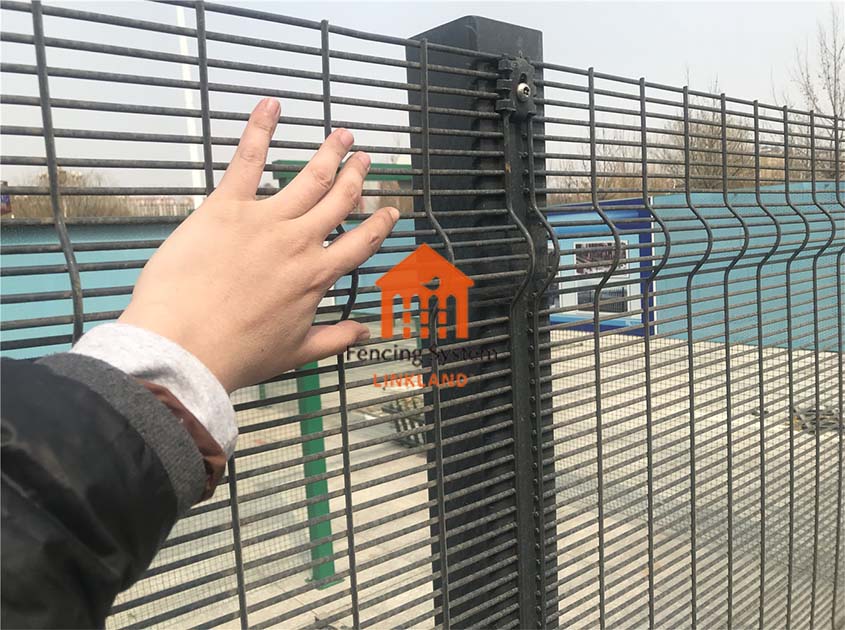
Anti-climb fences require regular inspection and cleaning to ensure their integrity and stability. Check the steel pipes, iron wires, fixing materials, etc. of the fence. If there is any damage, corrosion, deformation, etc., they should be repaired and replaced in time. When cleaning the fence, you should use warm water and neutral detergent, and avoid using acidic or alkaline cleaning agents.
Step 2: Maintain the tightness of the fixing material
The fixing material of anti-climbing fence needs to maintain tightness to ensure the stability and safety of the fence. Check the bolts, nuts, etc. of the fixing materials. If they are loose, they should be fixed and fastened in time to avoid affecting the stability and safety of the fence.
Step Three: Prevent Contamination and Damage to the Fence
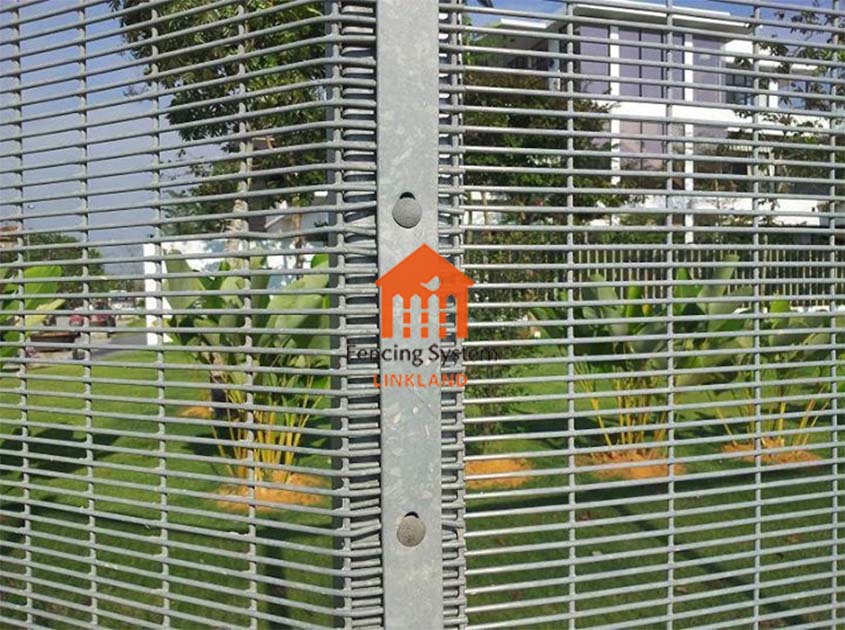
Anti-climbing fences need protection from contamination and damage to maintain their integrity and stability. Avoid piling up garbage and debris around the fence, and avoid using wire brushes, shovels and other sharp tools to cause damage to the fence. At the same time, it is also necessary to pay attention to avoid collision and friction between the fence and other facilities and vehicles.
The fourth step: regular anti-corrosion treatment
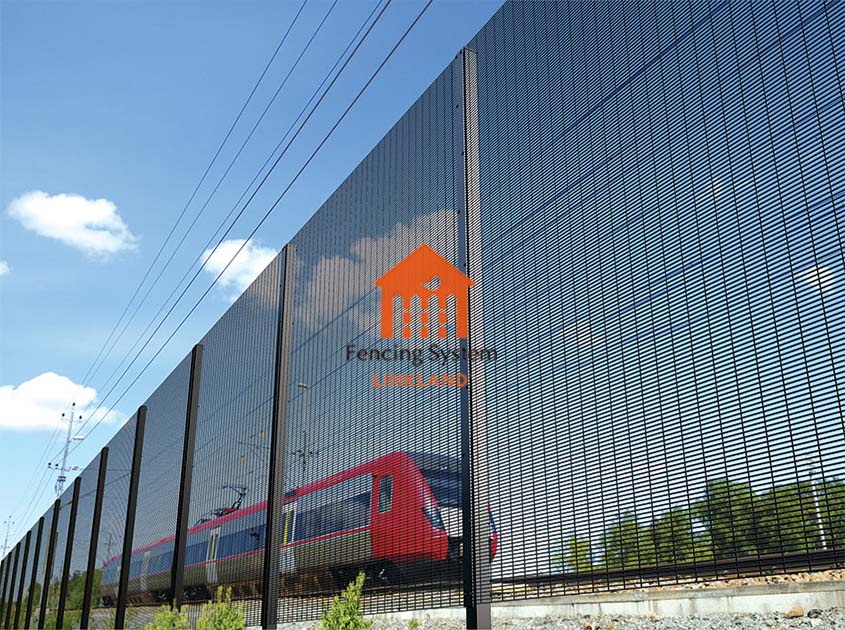
Anti-climbing fences need regular anti-corrosion treatment to prolong their service life and improve their protection capabilities. According to the material and actual situation of the fence, choose the appropriate anti-corrosion treatment method and material. Anti-corrosion treatment should be carried out within 1-2 years after the fence is installed, and then every 3-5 years to ensure the protection ability and service life of the fence.
In short, the correct maintenance of anti-climbing fence can prolong its service life and improve its protection ability. Regular inspection and cleaning of fences, maintaining the tightness of fixing materials, preventing contamination and damage to fences, and regular anti-corrosion treatments are all important guidelines for maintaining anti-climbing fences.
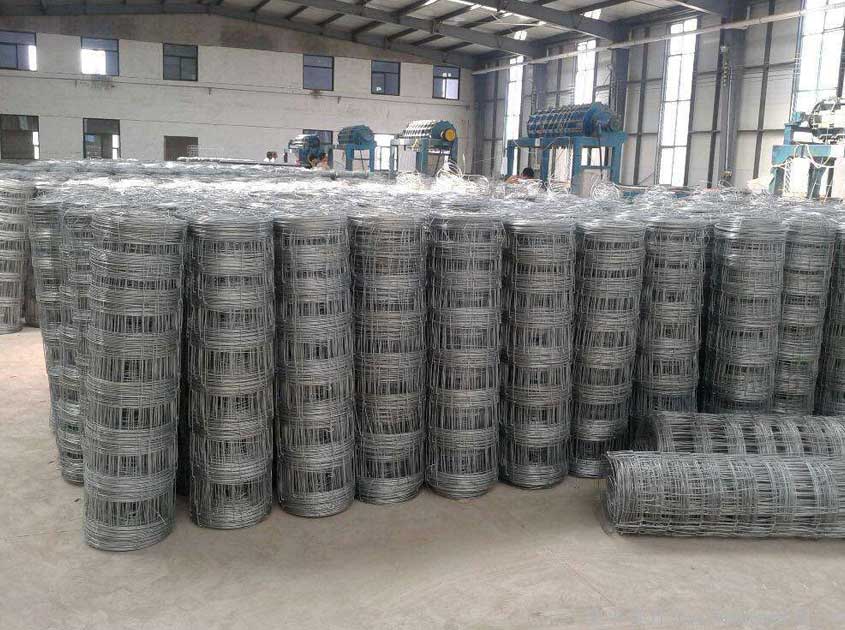
How to Choose Farm Fence for Cattle and Horses: Wire, Height and Design Guide
Pulished on Sep. 23, 2026
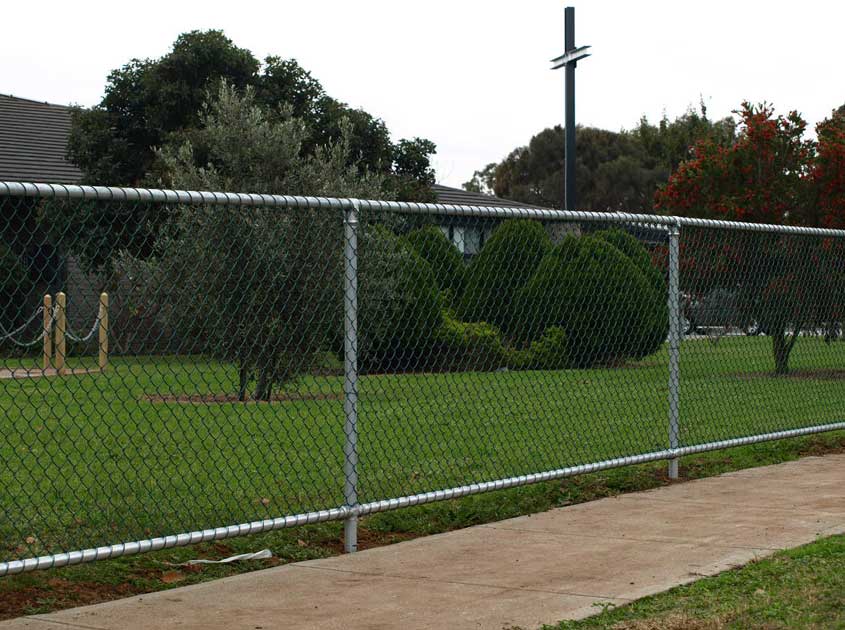
How Is Chain Link Fence Made? Manufacturing Process and Components
Pulished on Sep. 18, 2026
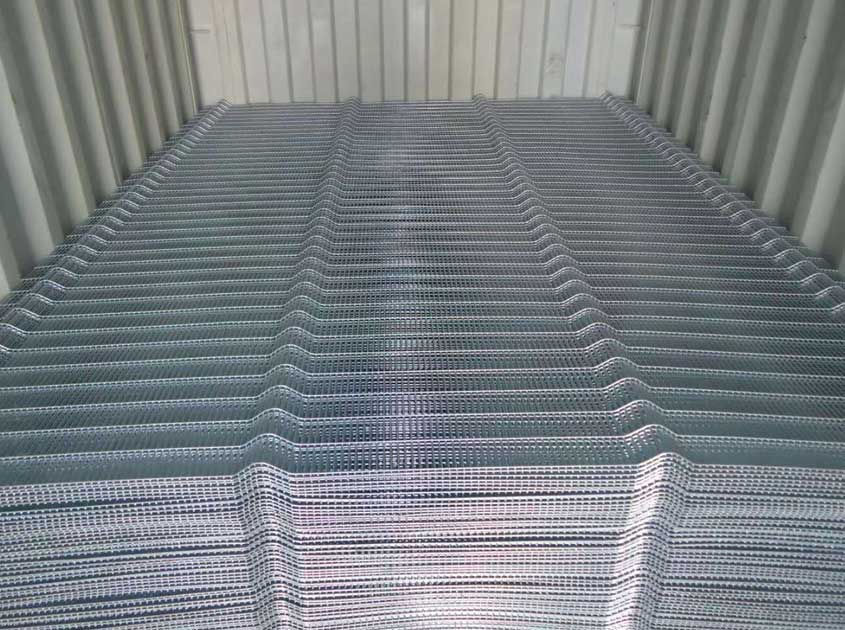
358 Security Fence vs Chain Link Fence: Security, Cost and Application Comparison
Pulished on Sep. 15, 2026
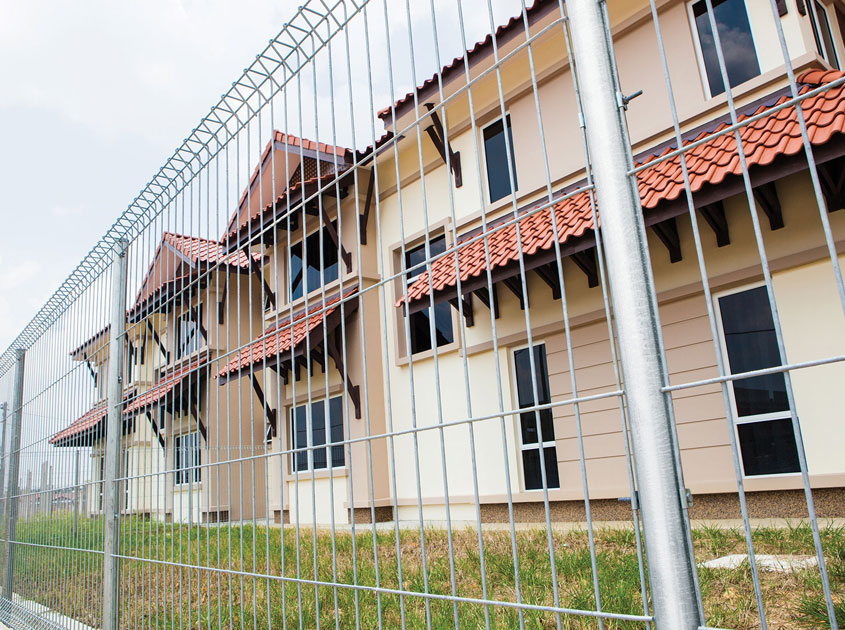
Why Choose Welded Wire Fence for Security and Protection?
Pulished on Sep. 07, 2026
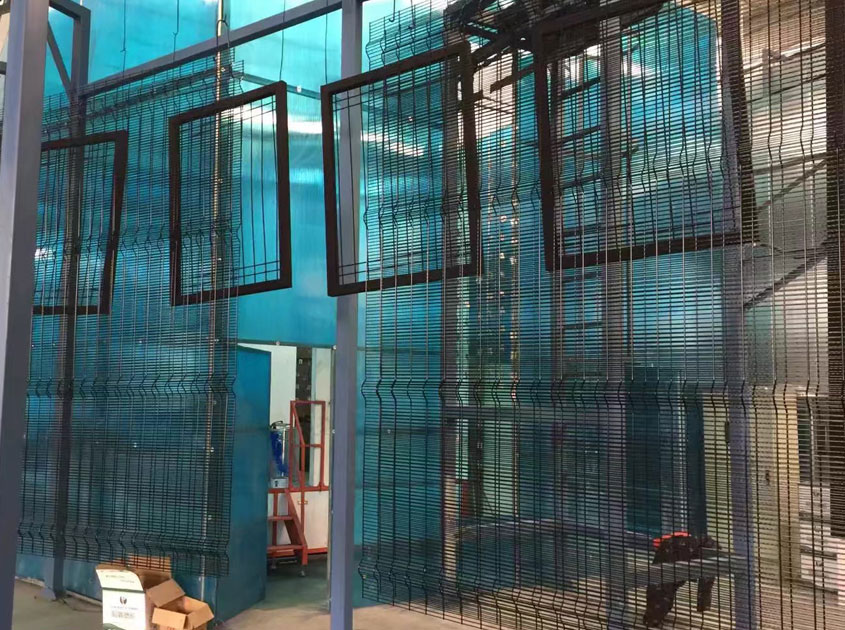
358 Security Fence Specifications and Applications Guide
Pulished on Aug. 27, 2026
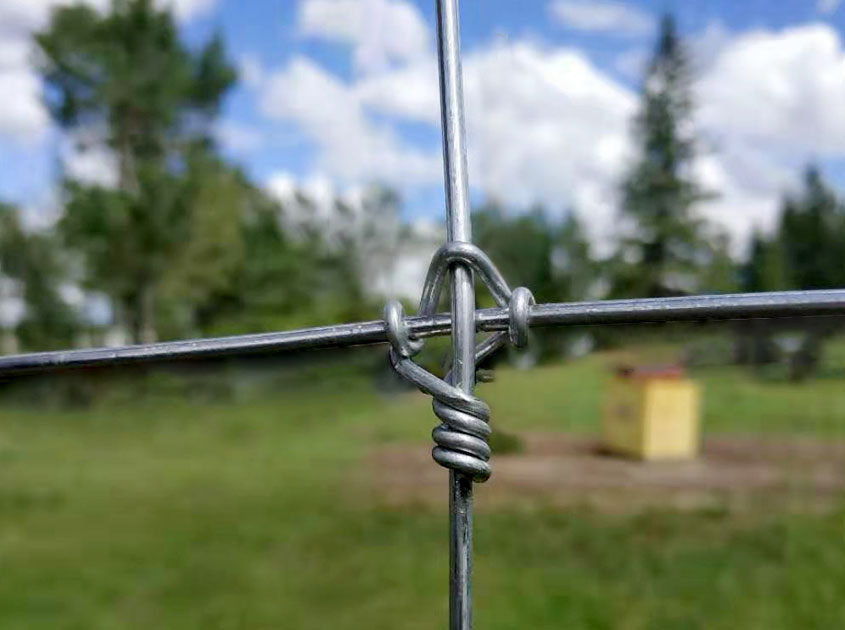
What Is Farm Fence and What Are the Main Types?
Pulished on Aug. 26, 2026
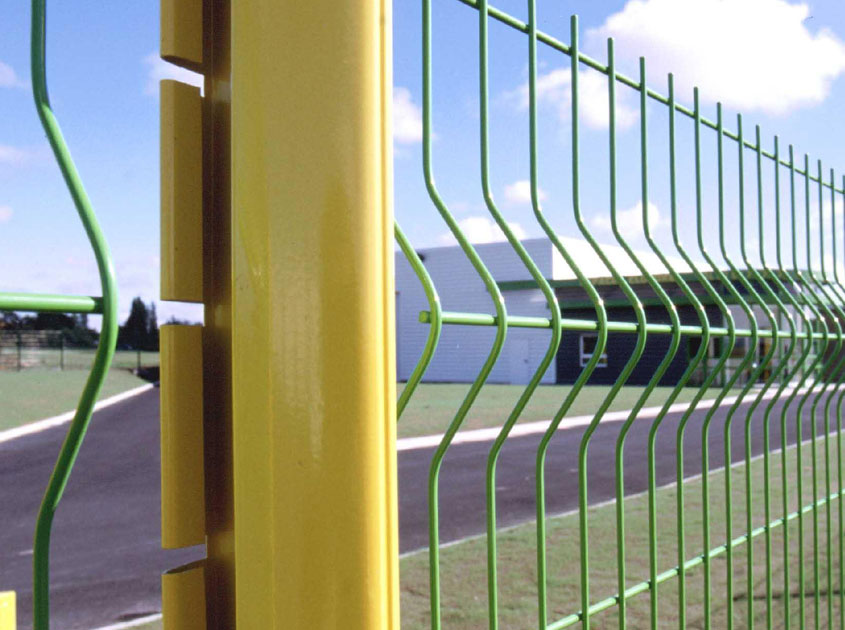
Welded Wire Fence Types, Sizes and Applications Guide
Pulished on Aug. 20, 2026
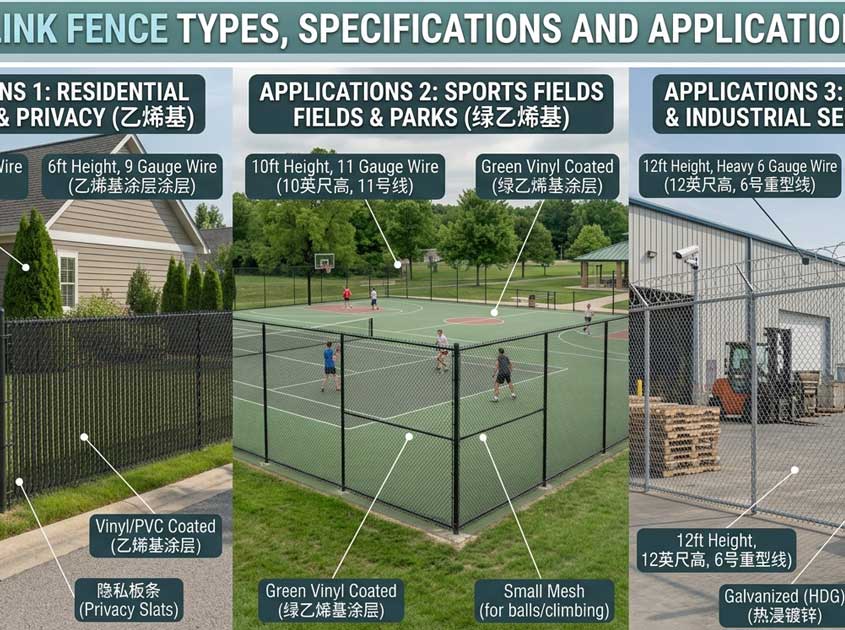
Chain Link Fence Types, Specifications and Applications Guide
Pulished on Aug. 12, 2026
How to Choose Farm Fence for Cattle and Horses: Wire, Height and Design Guide
Pulished on Sep. 23, 2026
How Is Chain Link Fence Made? Manufacturing Process and Components
Pulished on Sep. 18, 2026
358 Security Fence vs Chain Link Fence: Security, Cost and Application Comparison
Pulished on Sep. 15, 2026
Why Choose Welded Wire Fence for Security and Protection?
Pulished on Sep. 07, 2026
358 Security Fence Specifications and Applications Guide
Pulished on Aug. 27, 2026
What Is Farm Fence and What Are the Main Types?
Pulished on Aug. 26, 2026
Welded Wire Fence Types, Sizes and Applications Guide
Pulished on Aug. 20, 2026
Chain Link Fence Types, Specifications and Applications Guide
Pulished on Aug. 12, 2026